
Loading...
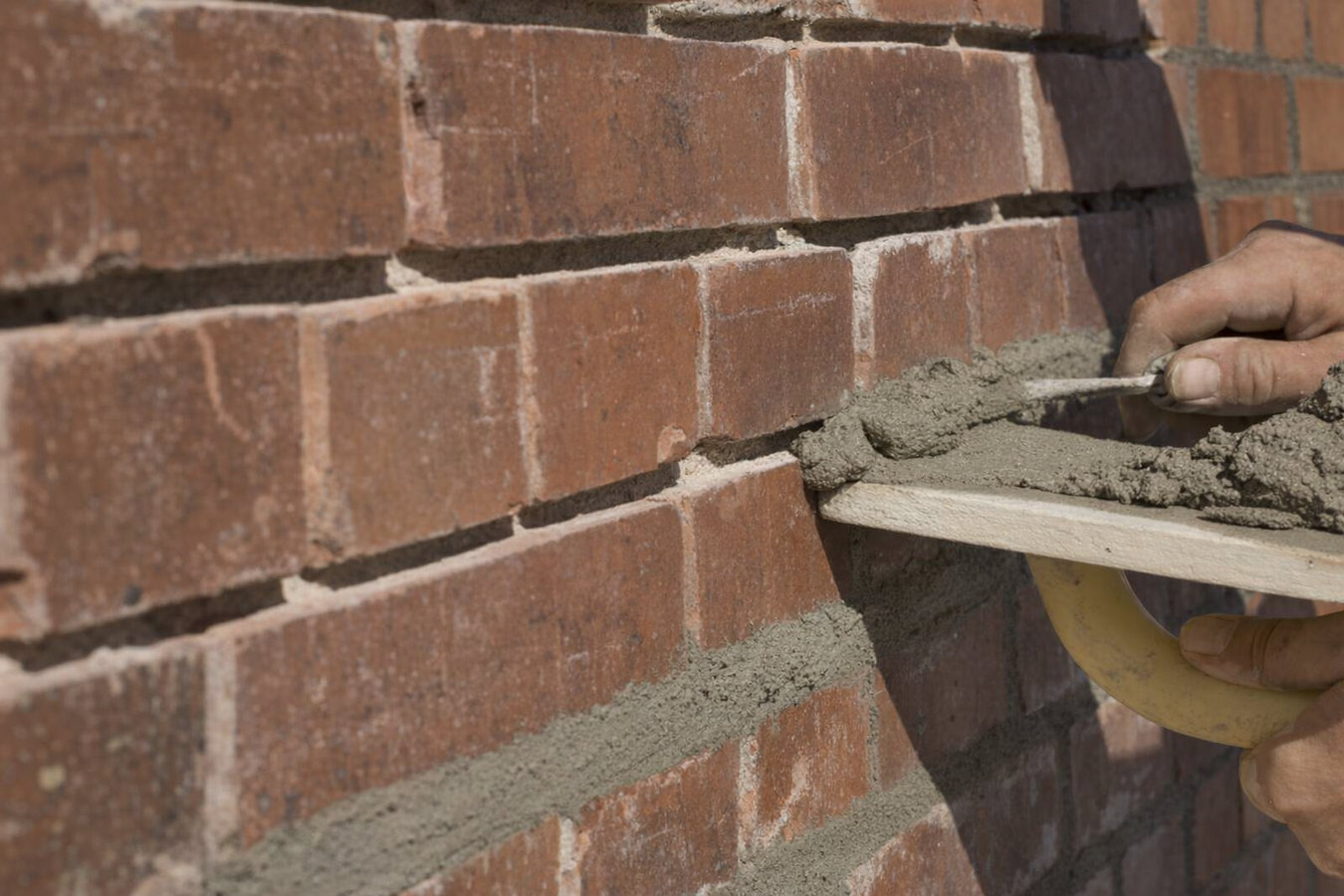
Old, crumbling mortar joints are the most common way water gets into brick and block walls in Hialeah. We remove the failed material, pack in a matched mortar mix, and leave your wall sealed before the next storm season.
Brick pointing in Hialeah is the process of removing old, crumbling mortar between your bricks or blocks and replacing it with fresh material. A mason uses a grinder or chisel to carefully clean out the joint to about three-quarters of an inch deep, then packs in new mortar by hand and finishes it to match the original profile. A small chimney or section of garden wall takes one to two days. A full exterior wall on a mid-size Hialeah home may take a week or more.
Brick pointing comes up most often in Hialeah on homes built in the 1950s through 1980s - the concrete block and brick homes that make up most of the city's residential housing stock. At that age, original mortar is often soft, cracked, or already pulling away from the brick face. Because Hialeah sits only a few miles from the coast, salt air accelerates that breakdown faster than in inland cities. If other masonry surfaces on your property also show joint wear, brick pointing is frequently combined with foundation repair or masonry restoration when the full scope of work is assessed at the same visit.
The goal is straightforward: clean out what failed, replace it with the right material, and leave the wall sealed against Hialeah's heat, humidity, and hurricane-season rain.
Run your finger along the mortar lines between your bricks or blocks. If the material crumbles away easily, feels sandy, or you can see gaps, the mortar has failed. This is the clearest sign that repointing is overdue - and in Hialeah's humid climate, water has likely already been getting in through those gaps.
A chalky white residue on your bricks is called efflorescence - it is the salt left behind when water moves through the wall and evaporates on the outside. In Hialeah, where salt air is already present from the nearby coast, this staining can appear faster than in inland cities. It is a reliable sign that moisture is moving through your mortar joints.
If your home was built in the 1960s, 1970s, or 1980s - which covers a large portion of Hialeah's housing stock - there is a good chance the original mortar has never been touched. Walls of that age deserve a close look even if nothing looks obviously wrong yet. A quick visual inspection by a mason takes about 20 minutes and tells you exactly where you stand.
When mortar fails and water gets behind the brick face, the brick itself starts to break down - the surface chips, flakes, or pops off in small pieces. This is called spalling, and it means the damage has moved past the mortar and into the brick. At this stage, pointing alone may not be enough, and some bricks may need replacing alongside the mortar work.
We perform brick pointing and repointing work on brick walls, concrete block walls, chimneys, garden planters, decorative columns, and front boundary walls throughout Hialeah. The process starts with careful removal of failed mortar to the right depth - rushing this step is one of the most common ways pointing work fails early. We grind or chisel out the old material, clean the joint, and then pack in fresh mortar by hand, shaping each joint to match the original profile and shed water properly. Every job uses a mortar mix suited to your specific wall and to South Florida's salt-air environment.
When the assessment reveals that mortar deterioration is paired with deeper structural issues - shifting bricks, a wall that has moved, or moisture damage to the wall substrate - we coordinate with our masonry restoration service to address both at the same time. For homes where the foundation wall also shows joint deterioration, we can include a foundation repair assessment in the same site visit so you have a complete picture before any work begins.
Suits homeowners with exterior brick or block walls - boundary walls, garden walls, or front entry walls - where mortar joints are crumbling, cracked, or showing signs of water intrusion.
Suits homeowners whose chimney stack or decorative brick columns show soft mortar, efflorescence staining, or visible gaps - especially important before hurricane season drives water into the joints at high speed.
Suits homeowners with brick planters, raised garden beds, or low landscape walls where mortar has deteriorated from constant moisture exposure and South Florida's wet-dry seasonal cycle.
Suits homeowners where repointing reveals spalled or damaged bricks that also need replacing - we handle both the mortar work and any partial brick replacement in a single scope of work.
Hialeah is only a few miles from Biscayne Bay and the Atlantic, and salt-laden air drifts inland year-round. Salt is corrosive to mortar - it works into the joints, crystallizes as it dries, and physically pushes the mortar apart from the inside. Homeowners on the eastern side of Hialeah, closer to the bay, often see mortar deterioration faster than those further inland. Combined with average humidity that stays above 70 percent for most of the year, South Florida puts more stress on mortar joints than most other climates in the country. The city's housing stock - dominated by concrete block and brick homes built between the 1950s and 1980s - means there are a lot of walls in Hialeah with mortar that is now 40 to 70 years old. Homeowners in Hialeah and the surrounding area should treat a mortar inspection as routine maintenance rather than an emergency response.
Hurricane season - which runs from June through November - creates real urgency around pointing repairs. Deteriorated mortar joints that might be a slow problem in a dry climate become an urgent one when a tropical storm pushes wind-driven rain sideways against your walls at high speed. Getting pointing work done in the dry season (November through April) gives the mortar the best conditions to cure, and it means your walls are sealed before the first storm rolls through. Homeowners throughout the area, including those in Miami, face the same seasonal pressure and the same benefit from completing repairs before June.
We respond to all inquiries within one business day. Sharing a few photos of the affected area before the visit helps us show up already thinking about the right approach.
We visit the property, walk the wall or structure with you, and point out exactly what we are seeing - which joints have failed, whether any bricks need replacing, and whether a permit is required for the scope. You receive a written estimate before signing anything.
On the first day, we set up and begin the removal phase - the noisiest part, with grinding and chipping sounds for several hours. Then we pack and finish the new mortar, working in sections to keep the wall stable. We clean up the staging area and remove all debris before we leave.
Fresh mortar needs 24 to 48 hours before it gets wet and up to a week to reach full strength. In Hialeah's humid summer months, we may advise light misting to slow the cure and prevent cracking. We do a final walkthrough with you before leaving so you can flag anything that does not look right.
We offer a free on-site estimate with no pressure and no obligation. We reply within one business day.
(772) 264-9670A mortar mix that is too hard for older brick can cause the bricks themselves to crack over time. We match the mortar to the softness of your specific wall and to South Florida's salt-air environment - because a repair that fails in three years is not a repair. Quality pointing should hold up for 20 to 30 years.
A large portion of Hialeah's homes were built between the 1950s and 1980s - and many of them have never had any masonry work done. We work on these properties regularly and know what original mortar from that era looks like, how to match it, and where the most common failure points appear on homes of that age.
Hialeah falls under Miami-Dade County building rules. When a project requires a permit, we handle the application and coordinate the inspection. Work done without the right permits can create problems at resale or during an insurance claim. Homeowners can verify contractor license status through the Brick Industry Association for standards and the Florida DBPR for licensing.
You receive a written estimate that breaks down labor, materials, and any permit fees before work begins. If something unexpected comes up - a spalled brick that needs replacing, a section of wall that is worse than it looked from the surface - we discuss it with you before we proceed. The final number matches what was agreed upfront.
In a neighborhood where word travels fast, our work has to hold up - and so does our word. Every brick pointing job we do in Hialeah is built to last through South Florida's climate, not just through next month.
Address structural movement and cracking at the base of your home before water damage from failed mortar joints compounds the problem.
Learn moreRestore the full exterior masonry of an older Hialeah home - cleaning, repointing, sealing, and replacing damaged sections across all surfaces.
Learn moreSpring is the best time to book - our calendar fills up before June as homeowners across Hialeah prepare for storm season. Schedule your free estimate now.